The Language of Poetry: Urdu

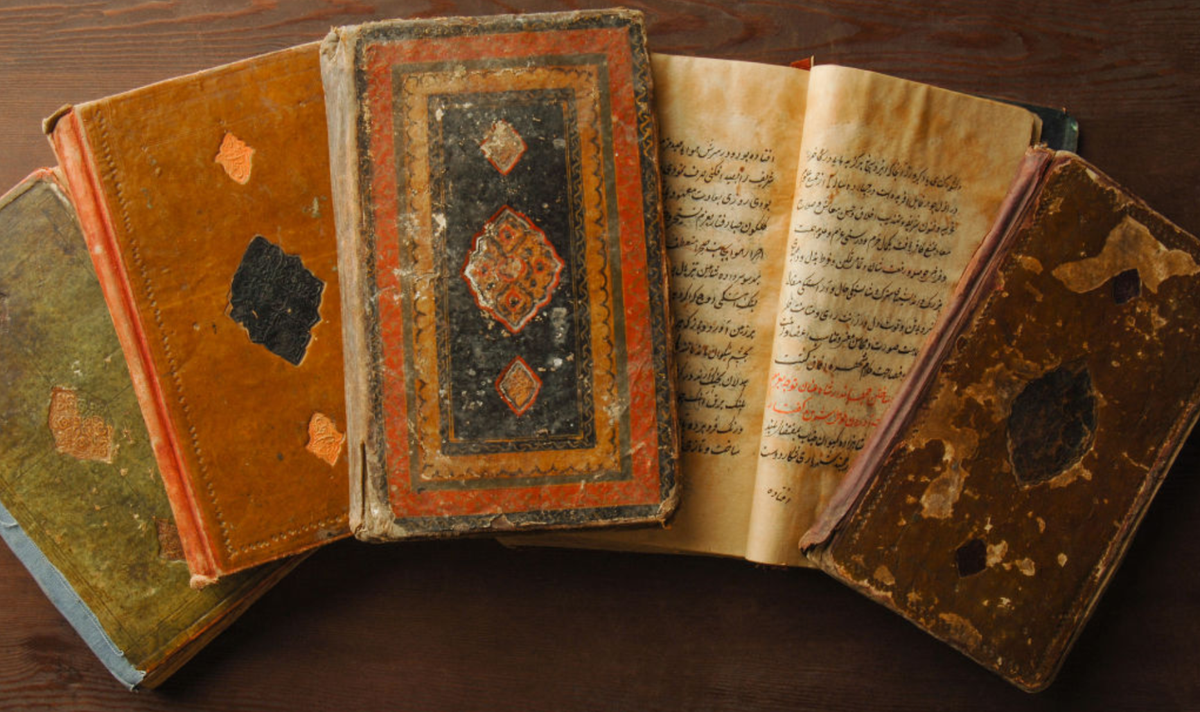
Urdu is a major language in South Asia, spoken by 70 million people as their first language and by 100 million as their second language. It is the national language of Pakistan and one of the 22 scheduled languages listed in the Eighth Schedule of the Indian Constitution. Urdu is a member of the Indo-Aryan group within the Indo-European family of languages. It is closely related to Hindi, which also belongs to the Indo-Aryan family. Both languages resemble each other in phonology, meaning their sound is similar, and in grammar.
Urdu developed from the region of Apabhramsha in northwestern India, around the 12th century. It was created as a modus vivendi (common language) by combining many Indo-Aryan dialects. Urdu did not have one single name, but several historical ones such as Hindavi (early form of Hindi), Rekhta (scattered or mixed), Dehlavi/Dehli (from Delhi), Dakkhani/Gujri (evolved in the Deccan region and Gujrat), Hindustani (Indian), and Zaban-e-Urdu-e-Mualla (the language from exalted camp). The name Urdu derives from the Turkish word for camp or royal camp, because it originated from the interaction between local Delhi dialects (Khari Boli) and the Persian, Arabic, and Turkic languages spoken by soldiers in the Mughal military camps.
Urdu is called the language of poetry because, having evolved from a mixture of cultures, it has a vast vocabulary for emotions, a natural rhythm that sounds like music, and a rich history of public performance that made art a part of daily life. The first poet of Urdu was a Persian master called Amir Khusrau (1253-1325). He is known for composing dohas (couplets) and riddles in the newly formed Urdu language. He used to combine Persian poetic structures and Urdu vocabulary to write poetry, as he did with one of the most popular ghazals of all time, titled “Zihaal-e-Miskin.” In the 18th century, Urdu ghazals gained massive popularity in India and, in the 19th century, Urdu poetry did. The latter century is called the peak of Urdu, because it was the era when poets like Mirza Ghalib and Daagh Dehlvi flourished.
In essence, Urdu is much more than a means of communication; it is a celebration of the human spirit. From its humble beginnings in the diverse military camps of Delhi to its zenith in the royal courts of the 19th century, the language has evolved into the ultimate vehicle for expression. Its unique ability to blend the philosophical depth of Persian with the rhythmic sweetness of local Indian dialects allowed poets like Amir Khusrau and Mirza Ghalib to capture emotions that words alone often fail to describe. Today, whether through the soul-stirring verses of a Ghazal or the relatable lyrics of modern songs, Urdu continues to be the "language of poetry" because it speaks directly to the heart. It remains a living testament to the beauty that emerges when different cultures meet, mingle, and create something timeless.