The Language of Revolutions: How Revolutions Reshape Vocabulary
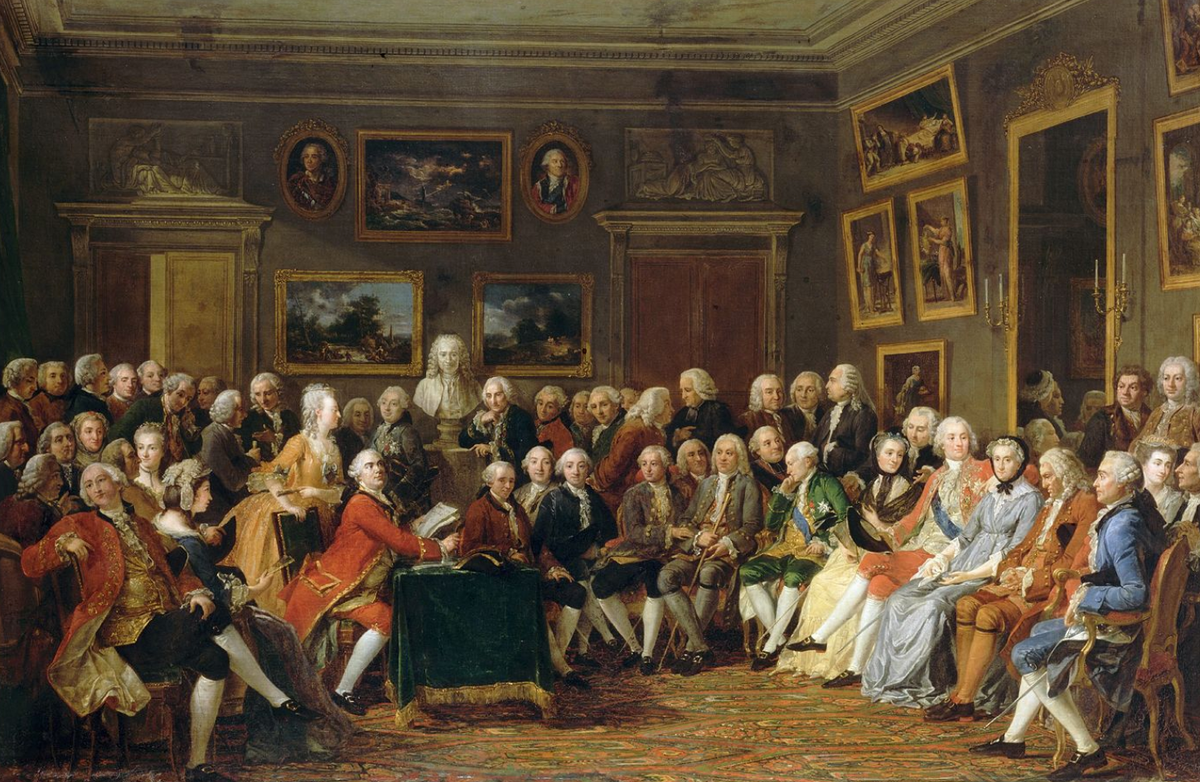
A primary example of this fundamental linguistic shift occurred during the French Revolution. Within France, the term “subject”, emphasizing hierarchy and compliance within the nation, gradually transformed into the word “citizen”, which was a term rooted in community, belonging, and justice. This change in categorization wasn’t merely a shift in language, but paved the way for a greater sense of equality, free will, autonomy, and state participation within France. To be referred to as a citizen embodied the idea of freedom and established a sense of belonging, rather than being called a subject, which implied rigid social structures with hierarchical systems. Furthermore, new principles such as “égalité”, “fraternité”, and “liberté” depicted the spread of fundamental Enlightenment philosophies into daily speech and life.
Aside from Europe, the American Revolution restructured government authority through the key concepts of republicanism, representation, and liberty. These concepts marked a significant change within governance and social structure, as Enlightenment beliefs concerning human rights began to make a significant appearance within American society. During this time, key Enlightenment thinkers like Rousseau, Kant, Voltaire, and Locke helped shape Enlightenment principles of liberty, reasoning and individual rights, in which progress, reason, science, and human capacity were prioritized over traditional religious beliefs.
This foundation allowed for broader academic thought and invited the idea that humans can create their own destiny. Specifically, the idea of liberty acted as a sense of hope for the future of the American nation, as it extended beyond the theoretical frameworks of an Enlightenment philosophy and into a vital human moral. The concept of all men being created equal within the Declaration of Independence further emphasized the highly ambitious language of the time, as it did not mirror reality precisely, but established the groundwork toward which society aimed to move.
Additionally, Revolutionary Russia experienced similar changes, although slightly more politically inclined. Terms such as comrade, bourgeoisie, and proletariat, which were theorized and systematized by 19th-century socialist thinkers like Karl Marx, transformed from theoretical critique to state ideology following the 1917 revolution. Language shifts like these determined political status and identity. For instance, to refer to someone as a comrade was to convey revolutionary unity and ideological alignment. Vocabulary began to define who was a friend versus who was a foe.
Terms like bourgeoisie and proletariat remained deeply rooted within the economic and social principles established by philosophers Marx and Engels, who wrote The Communist Manifesto. After the publication of their work, which analyzed class struggle before criticizing capitalism, Marxist ideologies increasingly shaped the emerging socialist movements and tensions among social classes across Europe. Furthermore, Engels’ records of harsh labor conditions within factories in Manchester created a moral dilemma that altered how the public viewed working-class conditions.
In summation, throughout these nations’ experiences regarding linguistic change, the relationship between language and revolution corresponds throughout. Namely, if a nation functions without the concept of rights, it would not be able to fully establish them within society. Rights and sovereignty must first exist as words before they can exist in the law. This hypothetical lack of fundamental language highlights the extent to which words and phrases impact the way individuals perceive certain ideologies and moral concepts within society. Thus, language is not simply terms utilized in daily life that lead to revolution; instead, it sets the mental stage on which revolution is built. The evident shift within certain terminology did not merely pave the way for reform and restructuring, but established the everlasting philosophical and moral constructs upon which current society functions.