The Illusion of "Perfect Translation"
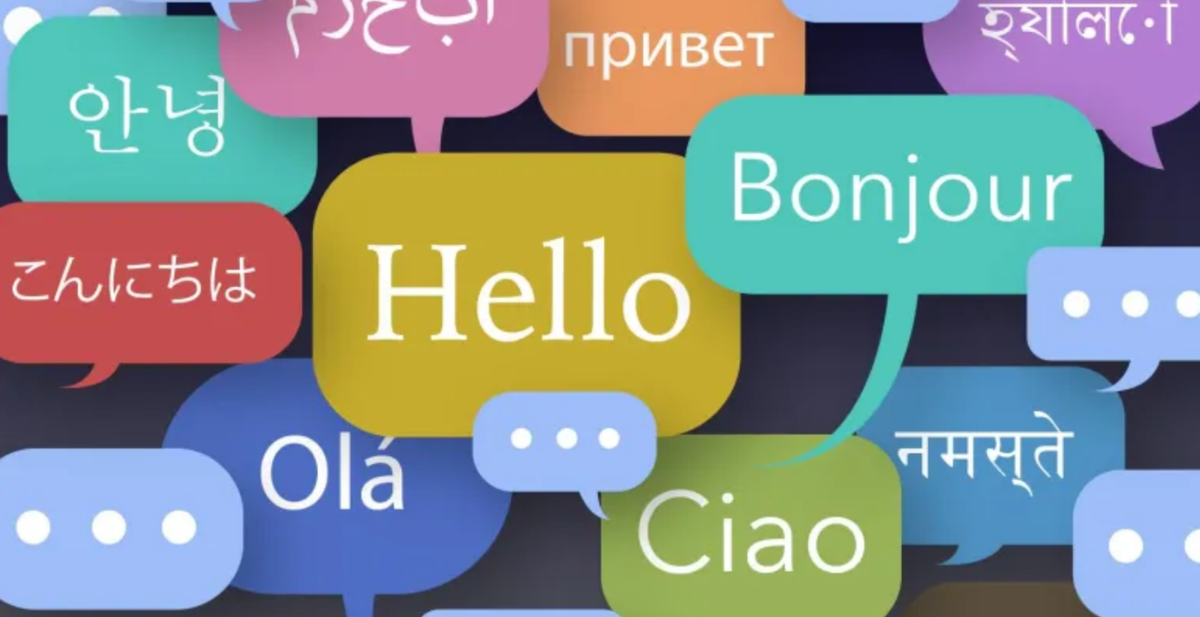
Language and dialect are widely seen as the connecting factors that join regions, countries, communities, and governments together across various cultures and beliefs. Consequently, it is assumed that when a certain piece of text is translated from one language to another, the meaning and connotation remain the same, just in different words. However, this belief is flawed as it undermines a pivotal concept regarding linguistics and language overall. This concept highlights how language translation never fully reflects the full authenticity and meaning of the language it was transcribed from. Alternatively, translation encompasses how linguistic interpretation is constructed around history, culture, and context, meaning that even the most presumably accurate translations naturally alter original tone, rhetoric, meaning, and intent as a whole.
Each language comprises its own culture, beliefs, and structure within its individual context, like books, poems, scriptures, and laws. This linguistic embedding illustrates how words and dialect are not stand-alone elements; instead, they are integrated within societies, cultures, and experiences. So, when interpreters and translators try to replicate stories and meaning in different languages, they often come across various words, phrases, and terms that have no direct correspondents. Hence, linguistic translation acts almost as an estimate or haphazard attempt at creating meaning.
A prime example of this linguistic approximation is in philosophical and classical works. For instance, Aristotle’s writings have been a prominent source of foundational philosophy throughout history, as well as in today’s world. Although this is true, many ancient Greek phrases used throughout his works surrounding philosophy tend to lack equivalents in today’s languages. Concepts such as logic, morals, politics, and society hold multiple levels of depth and meaning that tend to get lost in translation. Therefore, each translation pertains specifically to the author themselves and the interpretive decisions they made, which, in turn, influences the way readers perceive and comprehend philosophical theories and ideologies.
Furthermore, legal terminology demonstrates greater complexities. In international law, translation and interpretation are crucial aspects of the legislative process, as they must deliver meaning with meticulous precision. Yet, legal structures are prone to construct their dialect and phrasing around certain societal, cultural, and conventional frameworks. Thus, when important documents are being translated from one language to another, their original and deliberate meaning becomes distorted and misinterpreted. For instance, a word or phrase that may seem identical in its translation could potentially convey varying connotations in other legal traditions. This possible risk demonstrates why legal documents, especially international treaties and contracts, demand beyond surface-level analysis to guarantee that all countries, parties, and governments understand and receive the language in the same manner.
In summation, the idea of “perfect translations” acts as a linguistic illusion due to the fact that dialect is practically rooted within culture and skewed through inaccurate, vague, or misinterpreted depictions. Words and language hold historical, moral, and cultural depth in a way that broad translations cannot replicate. Additionally, translators must consistently decide on how to maintain accuracy alongside theoretical precision when translating certain works or documents. Therefore, translation becomes an act of negotiation and assumption between various global beliefs and views. As a result of this process, the meaning of words gradually begins to shift and adapt over time, across cultures, and beyond borders.