
Polyglot Powerhouses: The Most Multilingual Countries
Many countries are known for having one dominant language: Japan speaks Japanese and Portugal speaks Portuguese. But there are even more nations where multiple languages share the spotlight. Whether there are two, ten, or even hundreds of commonly spoken languages, multilingualism can shape everything from culture to daily communication. These nations give us a glimpse of how languages coexist and survive for millennia, often in places where you might not expect such diversity.
So, what actually creates multilingual countries? Several factors play a role, such as geography, migration, and Indigenous diversity. The physical barriers between countries create isolation, which can develop or preserve languages. Mountain ranges, islands, and deserts separate communities, allowing distinct languages to form. Migration also heavily influences languages, as countries that were seen as crossroads for trade and conflict tend to have more linguistic diversity. Finally, Indigenous groups contribute significantly to multilingualism. Many have maintained their own languages for thousands of years, especially in isolated regions, contributing to the linguistic diversity that still shapes their countries today.
Some of the most multilingual nations in the world demonstrate a blend of these factors that contribute to language diversity. The multilingualism in the US stems from both years of immigration and the presence of Indigenous languages. Spanish is commonly spoken due to the country's neighbor, Mexico, and Mandarin and Tagalog are also quite prominent. The US has also seen the revival of many native languages, like Navajo and Sioux. Australia has a similar story, with large Mandarin, Arabic, and Vietnamese speaking communities as a result of immigrants and their subsequent generations, as well as a diverse range of Aboriginal languages such as Warlpiri and Yumplatok.
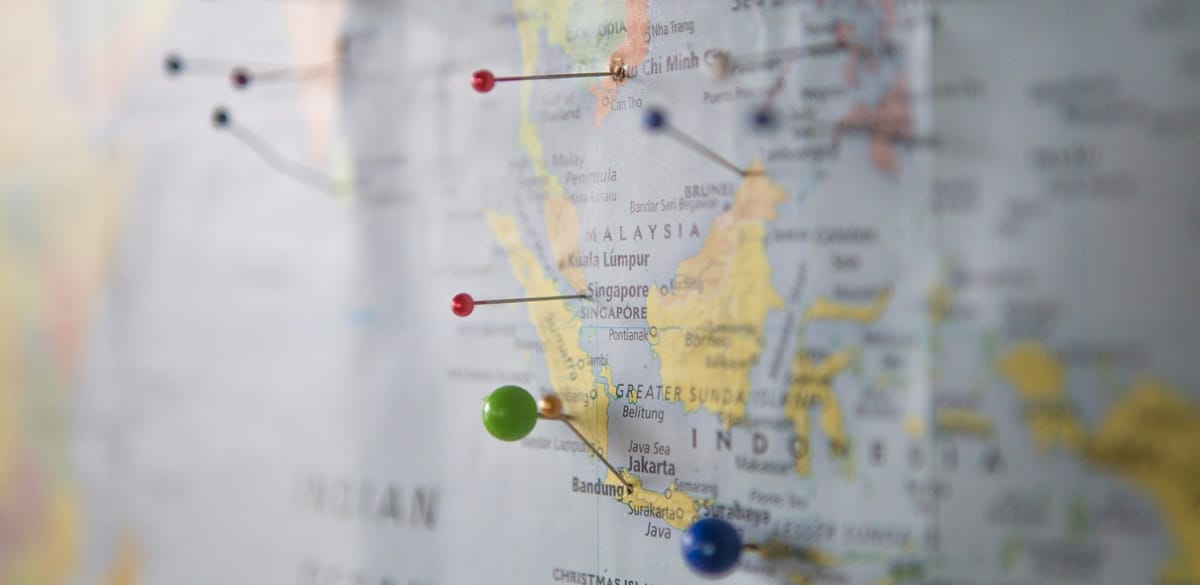
India’s linguistic diversity comes from its large size, history of migration, and strong community identities. It’s also the home of four main distinct language families, resulting in many languages such as Hindi, Telugu, Punjabi, and more. Nigeria’s numerous ethnic groups speak over five hundred different languages, which can be traced back to the arbitrary borders Britain established during the colonial period, lumping many distinct groups together. Indonesia is a massive country with over 17,500 islands and therefore many isolated populations, creating a home for around seven hundred languages including Bahasa Indonesia (a lingua franca), Javanese, and Sundanese. Finally, let’s talk about the polyglot giant: Papua New Guinea. Its mountainous and jungle-filled landscape, as well as its strong tribal culture, has contributed to its multilingualism, with almost 800 languages spoken on its terrain—more than any other country on Earth!
To conclude, multilingualism isn’t random—it’s shaped by many different factors that take place over centuries. Whether through geography, migration, or Indigenous presence, these countries show how different languages can live side by side and contribute positively to a nation’s culture and heritage. By looking at them, we can gain a deeper understanding of how societies evolve and thrive, and how languages enrich the world.