Pashto: A Language Rooted in Tradition
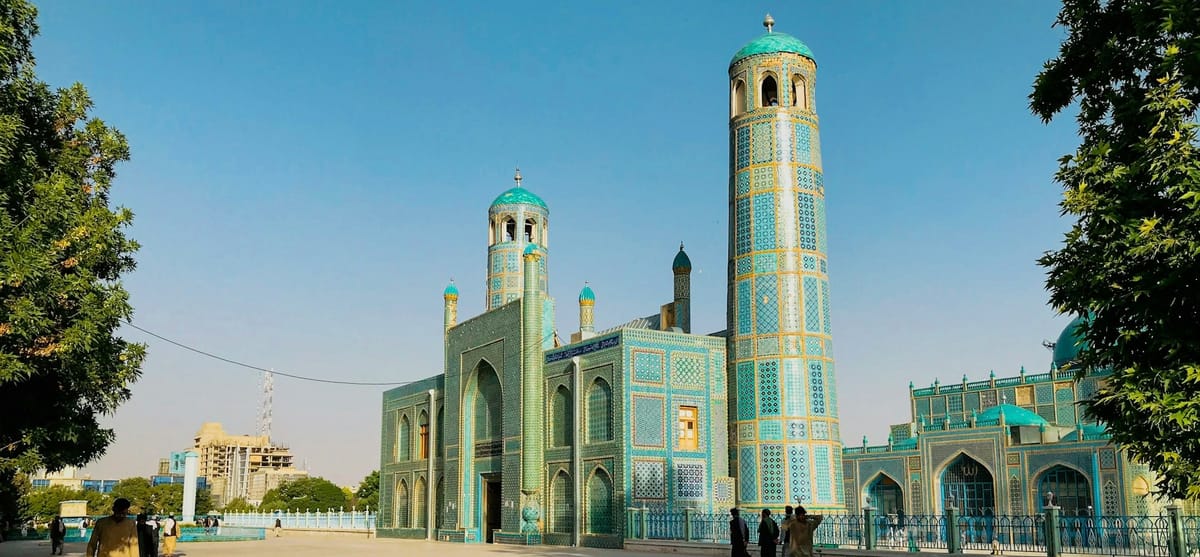
For every Pashtun, Pashto is more than a language; it's their core identity and a vital link to their culture. Pashto is one of the oldest living Iranian language, derived from the Indo-European family with roots tracing back three to five thousand years to the Aryan tribes. It is spoken by 40 million people worldwide in Afghanistan, Pakistan, and Iran, as well as some parts of India, America, and the Middle East. In Pakistan alone around 25 million people speak Pashto, primarily from the provinces of Mianwali, Attock, Sindh, Balochistan, Punjab, and Khyber Pakhtunkhwa.
Pashto is written in a modified version of Perso-Arabic alphabet. It is written from right to left and contains forty-four letters with seven vowels and thirty-two consonants. In comparison to Arabic, which has twenty-eight letters, Pashto's larger alphabet makes it unique. To mark pronunciation of the vowels, the language uses diacritic marks. Pashto dialects are divided into two types: northern (hard) and southern (soft). Pashto gained recognition and popularity among Pashtuns in the 16th and 17th century through poetry. In 1936, Pashto became the second official language of Afghanistan.
The Pashtuns think of Pashto as a "way of life," a verbal map for how to live. Pashtunwali is the central, tribal unwritten ethical code that dictates daily life and social interactions between all the Pashtuns; it holds cultural as well as emotional significance. There are several core pillars of Pashtunwali. One is melmastia, or hospitality, which means that all guests are sacred even if they are enemies seeking refuge—it is a matter of honor and duty for the hosts. The ideas of nang and pat represent honor and protection of women. Nanawatey, meaning asylum or forgiveness, mandates providing complete protection to those who enter one's home, even if it means getting injured themselves. Badal, which represents revenge, requires Pashtuns to respond to every injustice and to reciprocate gestures like gifts and hospitality. Finally, jirga, or circle, is a traditional assembly of elders to resolve disputes and make decisions.
Additionally, for every Pashtun, poetry and storytelling isn't just about words; it serves as a cultural purpose for them and preserves their history, cultural norms, social values, and tribal identity. The Hujra is a communal institution that serves as the heart for Pashtuns in their daily life where they exchange knowledge and preserve oral traditions through poetry, storytelling and music.
Ultimately, Pashto isn't just a language or word of the mouth, but a vital link to culture, tradition, and one's identity. From the ancient Aryan roots to the modern-day gatherings in the Hujra, the language remains the primary vehicle for a culture that prizes honor, hospitality, and storytelling. The Pashtunwali is the heartbeat for every Pashtun.