Inside the Movement to Reclaim Indigenous Tongues
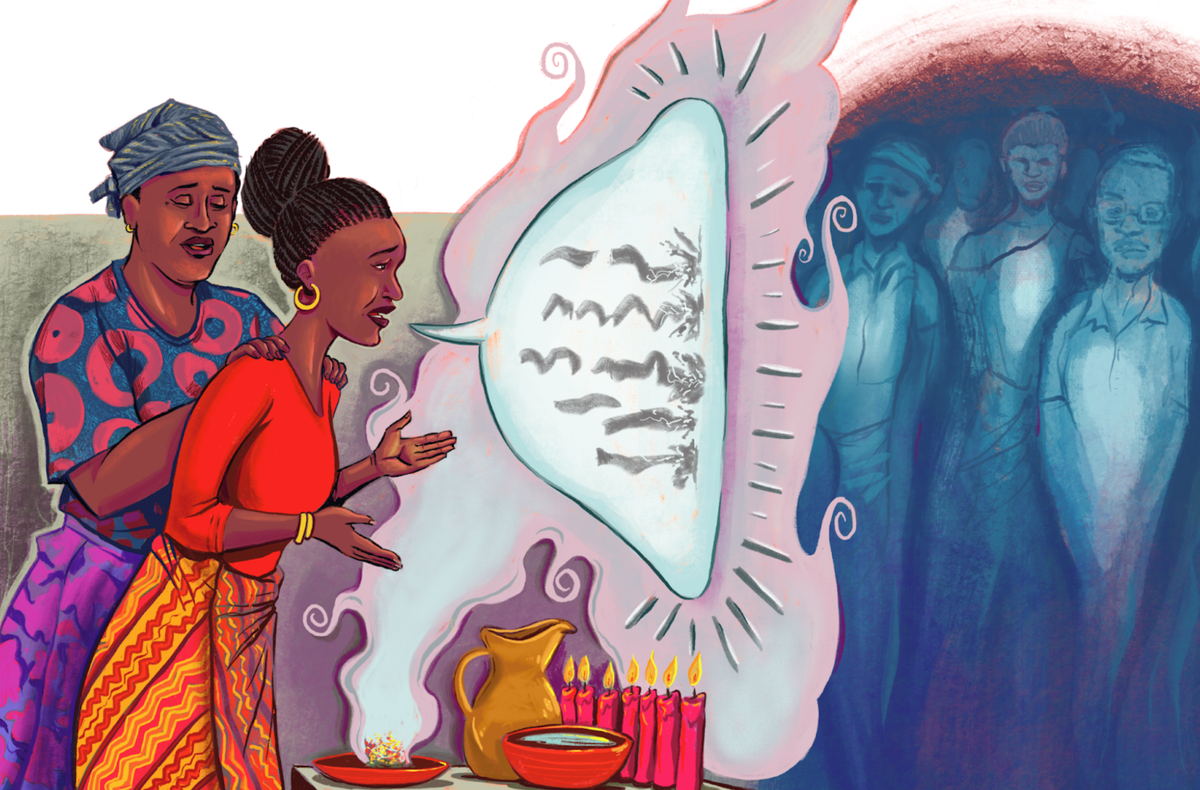
Indigenous languages are far more than just communication tools; they hold a lot of cultural wisdom, traditional knowledge, and spiritual practices. They are crucial for keeping diversity alive and helping communities stay strong. However, while looking into the mechanics of the erosion of these languages, we are currently navigating a crisis of linguistic diversity that threatens the core of human heritage.
The United Nations Educational, Scientific and Cultural Organisation (UNESCO) estimates that out of the 7,000 languages spoken in the world, 40% are at the risk of extinction. This erosion isn’t always a voluntary transition, but is instead driven by systemic processes that disrupt intergenerational transmission. When this link is severed, centuries of knowledge can disappear within a single generation.
The displacement of languages is often driven by globalisation, economic migration, and historical traumas. Globalisation prioritises languages like English, Spanish and Mandarin in trade and mass media, which devalues local tongues. On the other hand, migration to places for economic survival removes speakers from traditional territories where their language is rooted.
For many communities, the reclamation of a mother tongue is synonymous with cultural healing. Empirical evidence has identified the health of a language as a significant predictor of the physical and mental resilience of its speakers, particularly among the youth. The “Lalonde Report” from British Columbia, which focuses on youth wellbeing and cultural continuity, provides the most scrupulous evidence of this connection.
Researchers studying 150 First Nations communities found that language knowledge had greater predictive power regarding youth well-being than standard socioeconomic indicators like poverty. In communities where at least half of their members showed conversational knowledge of their language, the suicide rate recorded during the study period was zero. Conversely, in communities with little or no connection to their ancestral language, the suicide rates were six times higher than the national average. This demonstrates that linguistic sovereignty is a key element of community health and a stabilizing force to help the youth navigate the world with confidence.
The educational outcomes of teaching in an individual’s mother tongue further strengthens the case for reclamation. For example, schools such as the Chief Atahm Immersion school in Chase, BC, and the N'kmaplqs i Snma'mayat'tn klSqilxwet (Okanagan Indian Band Cultural Immersion School) aim for students to be fluent and to be thinking and dreaming in their language while also learning everything they need to pass their regional examinations.
Studies of students from these programs suggest higher graduation rates and increased transitions to post-secondary education. The students at Chief Atahm have reported that they found science pretty easy to learn. This is because they already learned about the ideas of how to observe the world around them in their own language, and this helped them understand science concepts by the time they were in fifth grade.
Revitalization of languages requires a multi-level strategy. This means local efforts need to be made with international policies like the UN Declaration on the Rights of Indigenous Peoples (UNDRIP). We have to make sure that people have the right to pass on their language to their children and grandchildren, and this has to be led by the community. For instance, programs such as the Hawaiian Pūnana Leo and Māori Kura Kaupapa create environments where children are surrounded by their language from infancy, learning all subjects, from traditional knowledge to modern science, through their ancestral tongue.
Another program called Master-Apprentice Programs pairs fluent elders with younger learners for intensive, one-on-one teaching and learning of the language, focusing on the oral tradition and nuances of it. Furthermore, organizations such as the Ngaanyatjarra Pitjantjatjara Yankunytjatjara Women's Council in Australia have supported culturally grounded digital wellbeing initiatives that integrate Indigenous perspectives on mental health and community care.
Government recognition also acts like a catalyst for these efforts. While English is the official language of Namibia, their Constitution permits the use of Indigenous language in education and public life. This helps groups like the Ovatue, Ovatjimba and San people. In Finland, the Sami Parliament is carrying out projects to teach the Sami language to children living outside their traditional homelands.
The only way to truly produce effective results is for Indigenous people to be in charge. When communities are in control of the curriculum taught in their schools, funding allocation, and the cultural framing of how their language is taught and transmitted, they make sure that their language is being revitalized with the most optimal method. This is how the revitalization of languages will succeed in a sustainable and meaningful way.