Gaeilge: The History of Ireland’s Native Tongue
For most people, Irish culture brings to mind leprechauns, Saint Patrick's day, and the potato famine—greatly important elements, but they do not encapsulate the entirety of Ireland's heritage. A lesser known but still prominent aspect of Irish culture is Gaeilge: the country's native language whose long and difficult history amplifies its resilience.
The story of Gaeilge begins over two millennia ago, making it one of the oldest continuously spoken languages in Europe. Introduced to Ireland by early settlers, it belongs to the Gaelic branch of the Celtic language family. For centuries, Gaeilge was the language of the people, the land, and the lore. It was the medium through which Ireland’s rich oral tradition flourished, creating songs, poetry, and myths that were passed down through generations. In medieval times, Gaeilge was the dominant language across Ireland and was also spoken in parts of Scotland and the Isle of Man. It had a sophisticated literary tradition, with monks and scribes preserving important texts and religious manuscripts. This deep historical foundation made Gaeilge a cornerstone of Irish identity.
However, the arrival of English rule marked a turning point in the fate of Gaeilge. Starting with the Norman invasion in the 12th century and intensifying during the Tudor conquest and subsequent English plantations, the Irish language faced systematic marginalization. English was imposed as the language of governance, law, and commerce, while Irish was increasingly pushed to the fringes of society.
The 17th and 18th centuries intensified this decline. The Penal Laws restricted the cultural and religious freedoms of Irish Catholics, many of whom were native Irish speakers. English-language education became dominant, and the association of English with power and prosperity led many to abandon their native tongue. In the mid-19th century, the Great Famine further devastated Irish-speaking communities. Mass emigration and deaths disproportionately affected rural Gaeltacht areas where Gaeilge was strongest. By the late 19th century, Irish was in rapid decline, often dismissed as the language of poverty and "backwardness."
Despite these hardships, the 19th and 20th centuries brought renewed hope for Gaeilge. Irish cultural nationalists recognized that the language was a vital symbol of Ireland’s heritage and sovereignty. The Gaelic League, founded in 1893, became the driving force behind efforts to revive the language. It promoted Irish through schools, literature, and daily conversation, inspiring a cultural renaissance. With Irish independence in the early 20th century, Gaeilge was declared the national and first official language of the new Irish state.
Today, the language is a compulsory subject in schools across Ireland, and there are numerous schools where children learn entirely in the Irish language, called Gaelscoileanna. The media has also played a crucial role in revival efforts: radio stations, online platforms, and Irish-language television channels like TG4 have helped normalize the language in daily life. Technology, music, and contemporary arts are vibrant spaces where Gaeilge thrives, blending tradition with modernity.
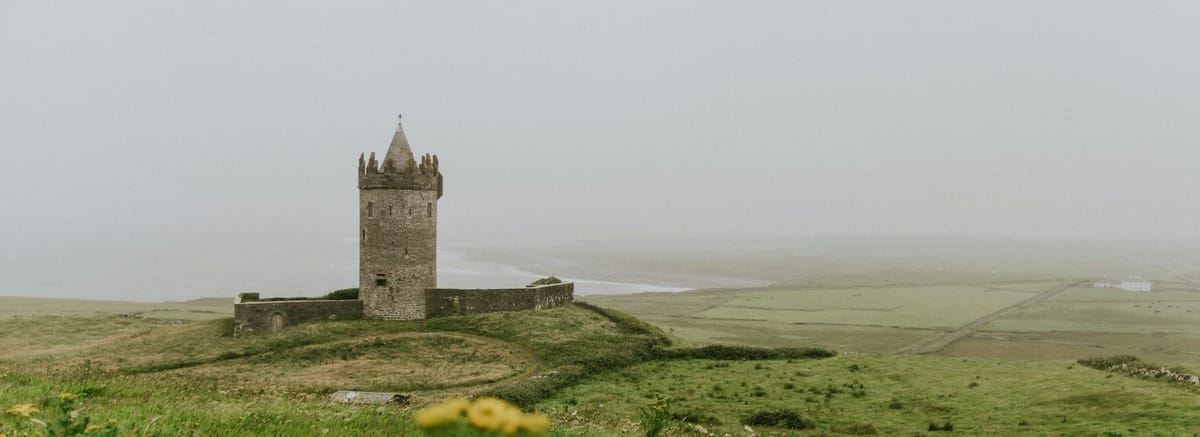
Gaeilge has a profound connection to Ireland’s landscape, spirit, and imagination. The language’s melodic flow and expressive vocabulary evoke the rolling hills, ancient forests, and misty shores of Ireland. In a world where many indigenous languages face extinction, Gaeilge stands as a powerful testament to cultural resilience and pride. It is not merely a means of communication but a living connection to Ireland’s history, identity, and enduring spirit.